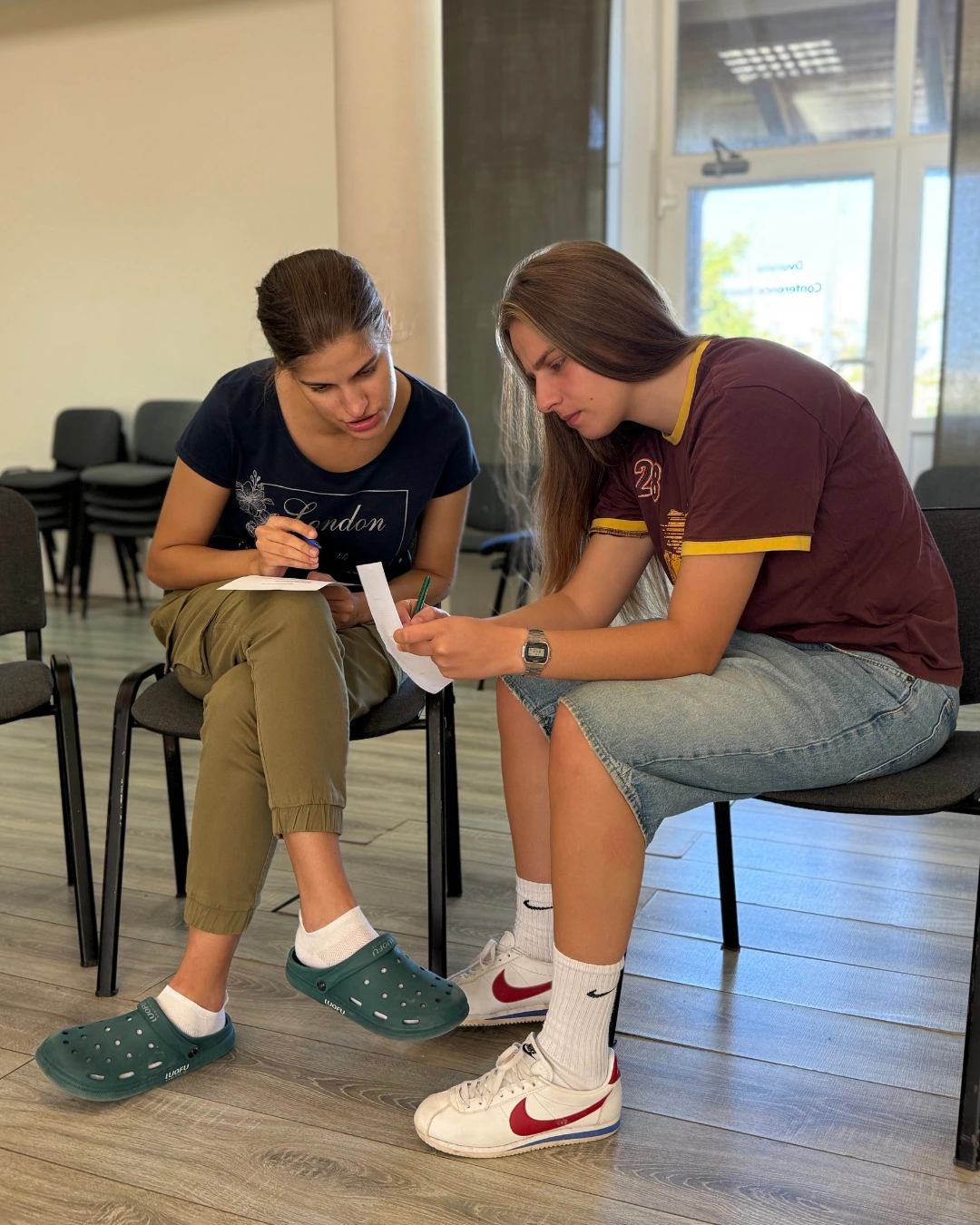
From 9th – 17th September 2025, representatives of six partner organisations from Germany, Croatia, Austria, Bosnia and Herzegovina, Montenegro, and Albania gathered in Zadar for the international training course “Developing Digital Competences of Young People Based on the DigComp Framework.”
Organised under the Erasmus+ KA153-YOU program, the training brought together youth workers to explore how digital skills can be used as tools for empowerment, inclusion, and active participation of young people especially those with fewer opportunities.
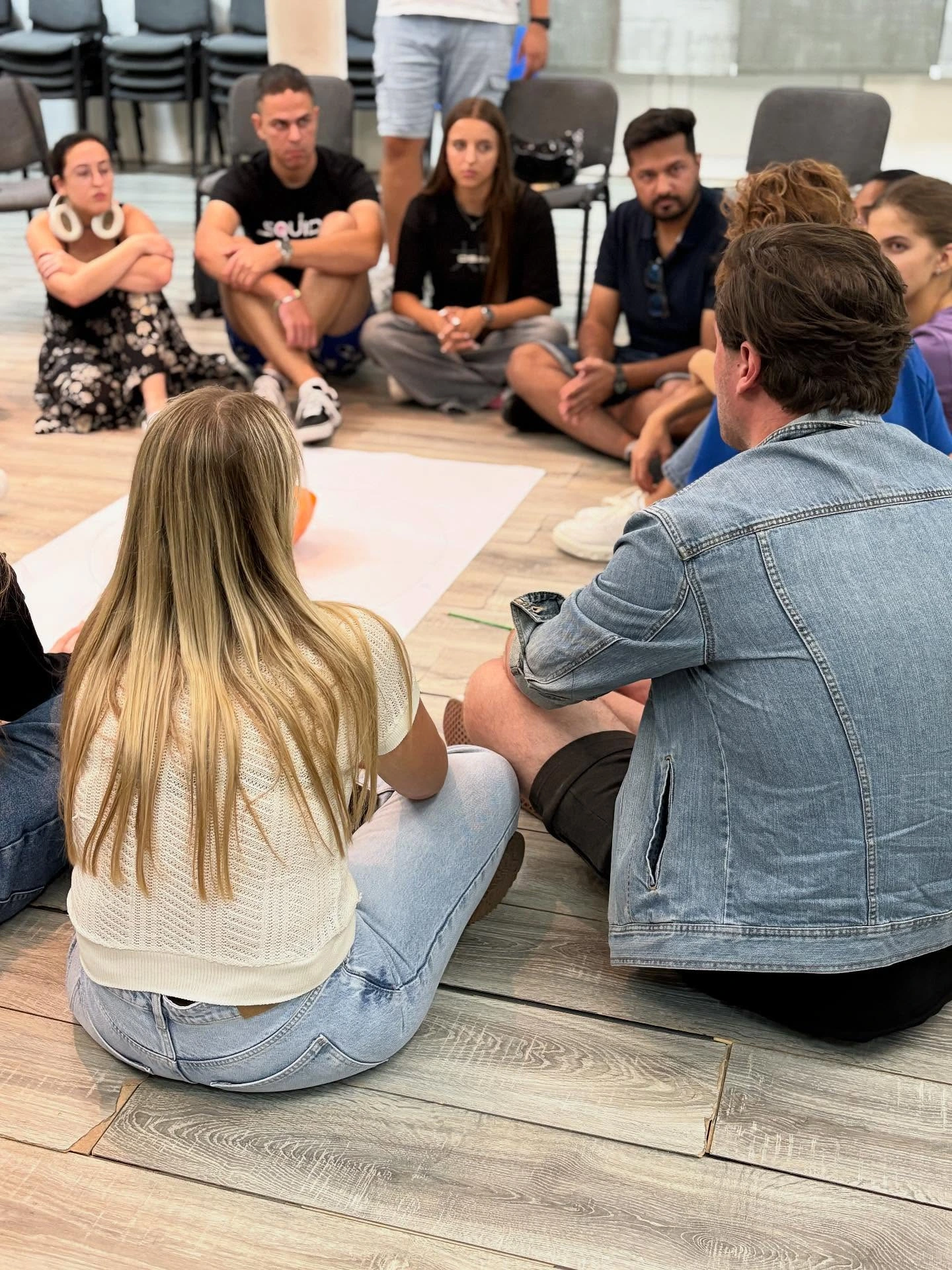
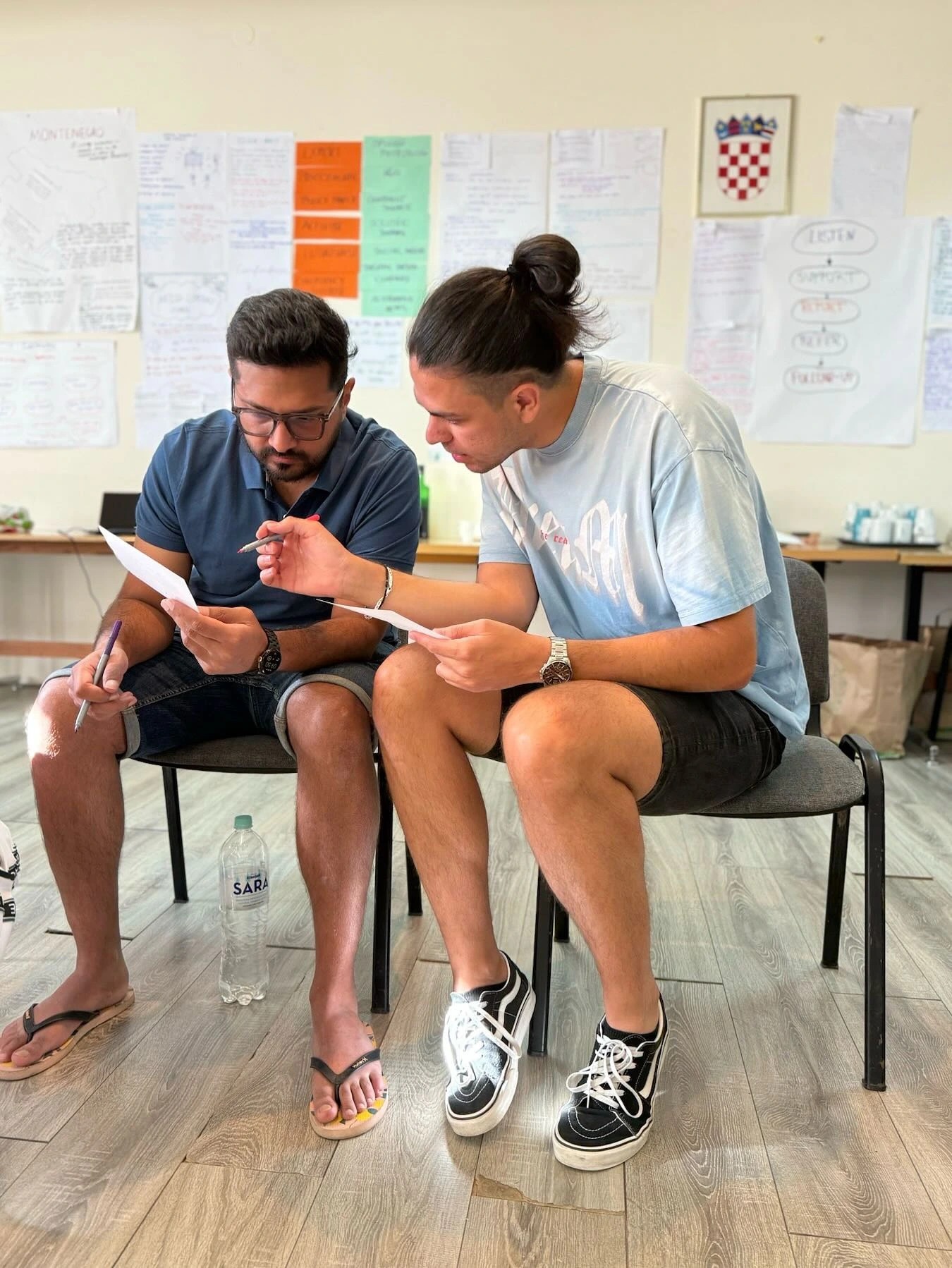
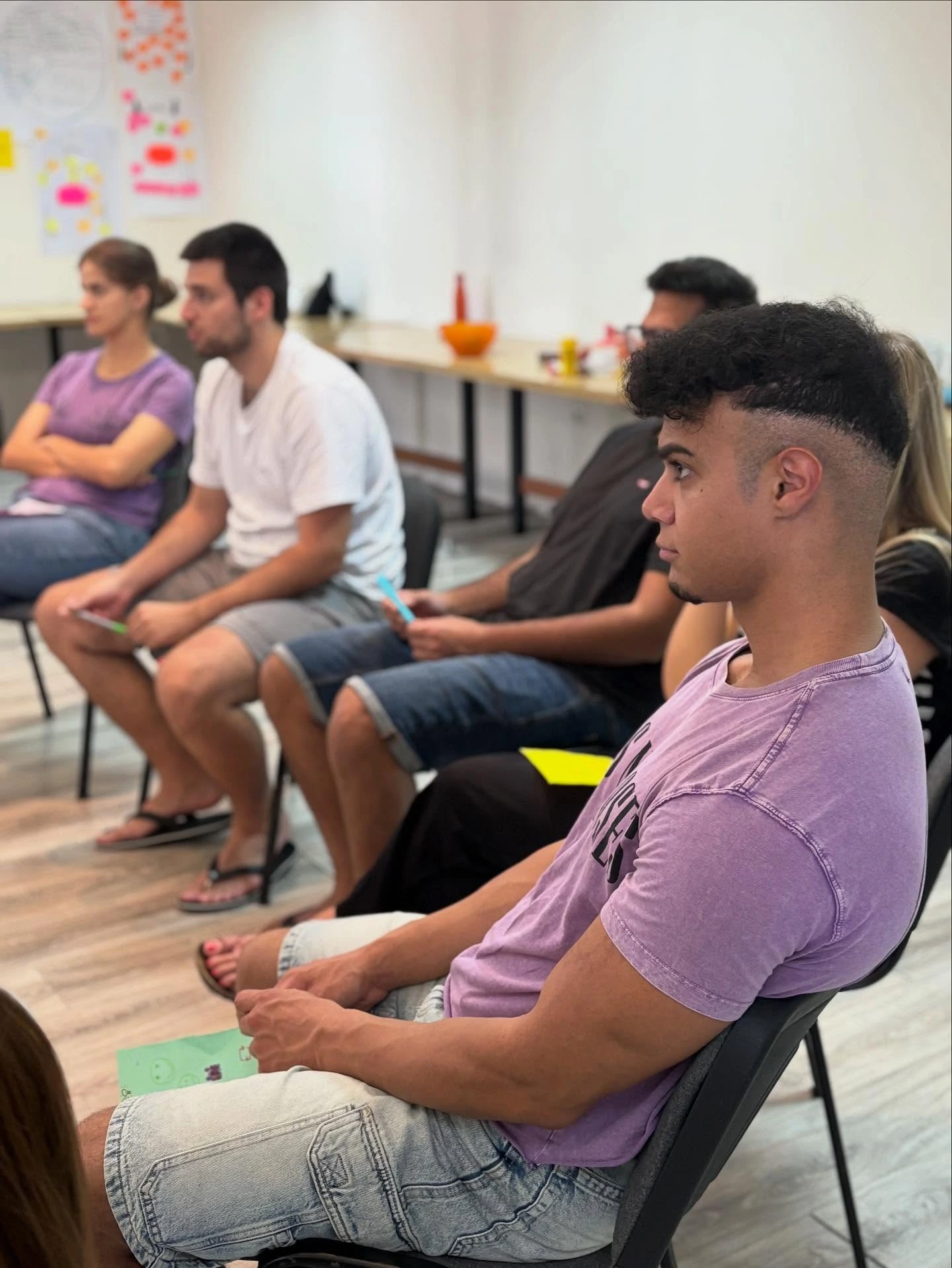
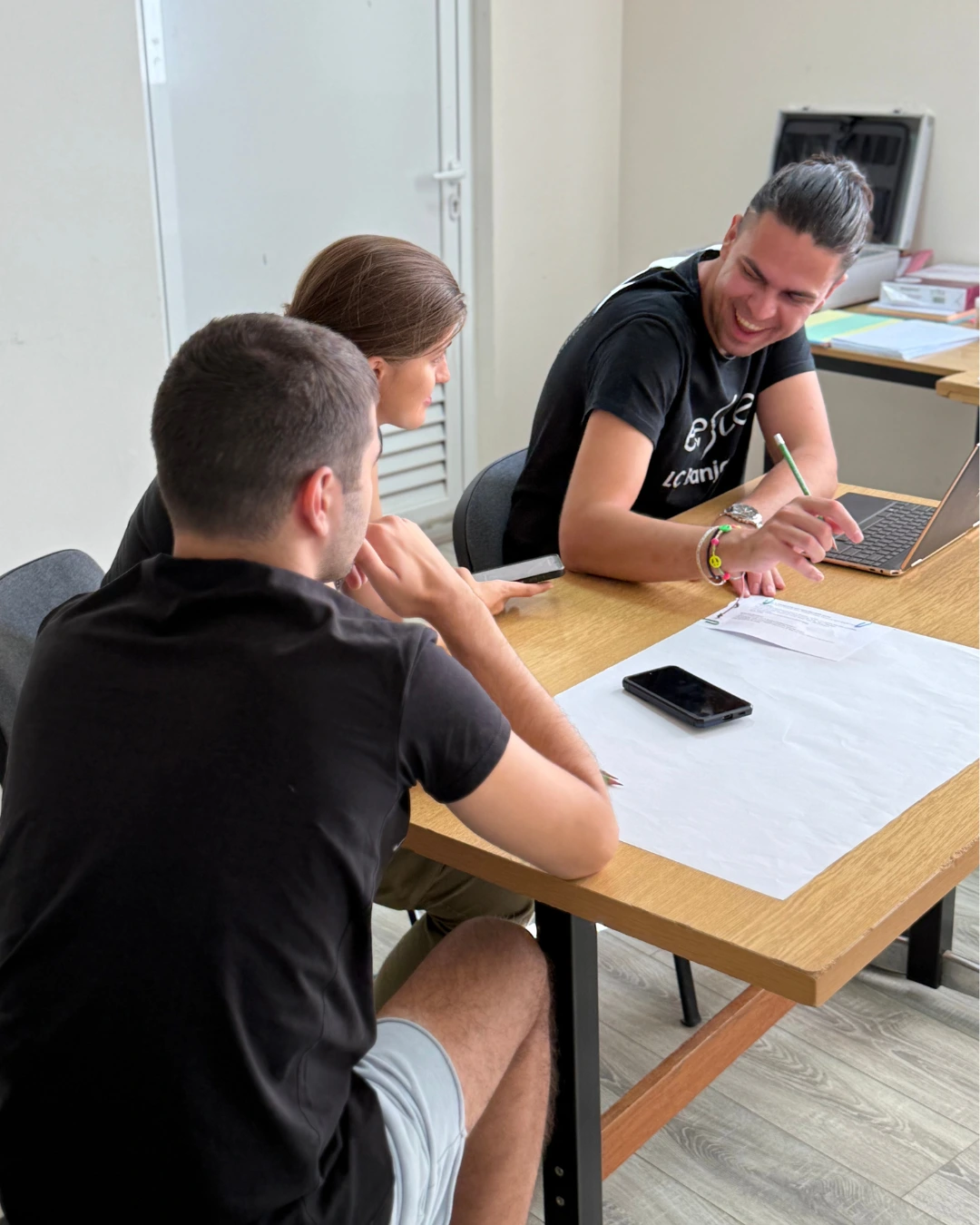
Throughout the nine intensive days, participants worked through interactive workshops and simulations, learning to apply the European DigComp framework in real youth work practice. Sessions covered the five areas of digital competence, information literacy, communication and collaboration, digital content creation, safety, and problem-solving, using hands-on, non-formal education methods such as group work, role plays, and reflection circles.
Evenings were dedicated to intercultural activities, NGO fairs, and informal networking moments that highlighted the diversity and shared values of the participants.
The training course marked an important step in building a transnational community of digitally competent youth workers ready to transfer these skills into their local realities. As a next step, participants will conduct follow-up workshops in their home countries, sharing the newly gained knowledge with other youth leaders and young people, multiplying the project’s impact across Europe and the Western Balkans.
The DigComp YW project is coordinated by Stepping Stone Miles e.V. (Germany) with partners from Croatia, Austria, Bosnia and Herzegovina, Montenegro, and Albania, and co-funded by the European Union through Erasmus+.


Funded by the European Union. Views and opinions expressed are however those of the author(s) only and do not necessarily reflect those of the European Union or the European Education and Culture Executive Agency (EACEA). Neither the European Union nor EACEA can be held responsible for them.