Youth Power Austria

Training Course: Navigating Narratives – A Media Literacy Journey for Youth Workers

We are Partner organisation in Berlin

In today’s information-driven world, young people are exposed to a constant stream of media content, from news reports to social media updates. Their ability to critically analyse and evaluate this information is crucial for informed decision-making and active civic engagement. Media literacy empowers youth to discern between reliable sources and misinformation, fostering a more informed decision making and participation in democratic processes. In this era of digital communication and social media influence, equipping young individuals with media literacy skills becomes an essential pillar in safeguarding the integrity of democratic processes and promoting meaningful participation.


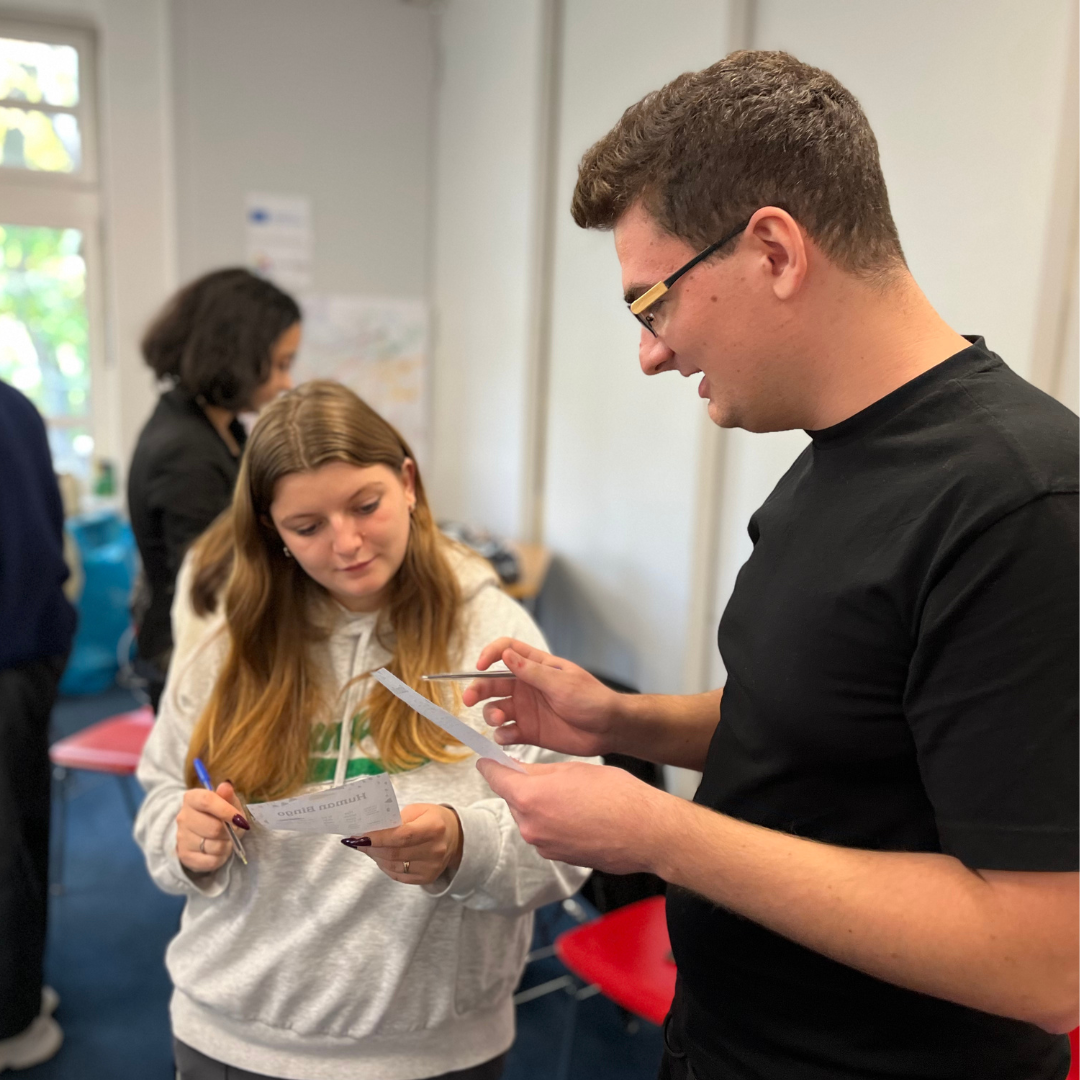
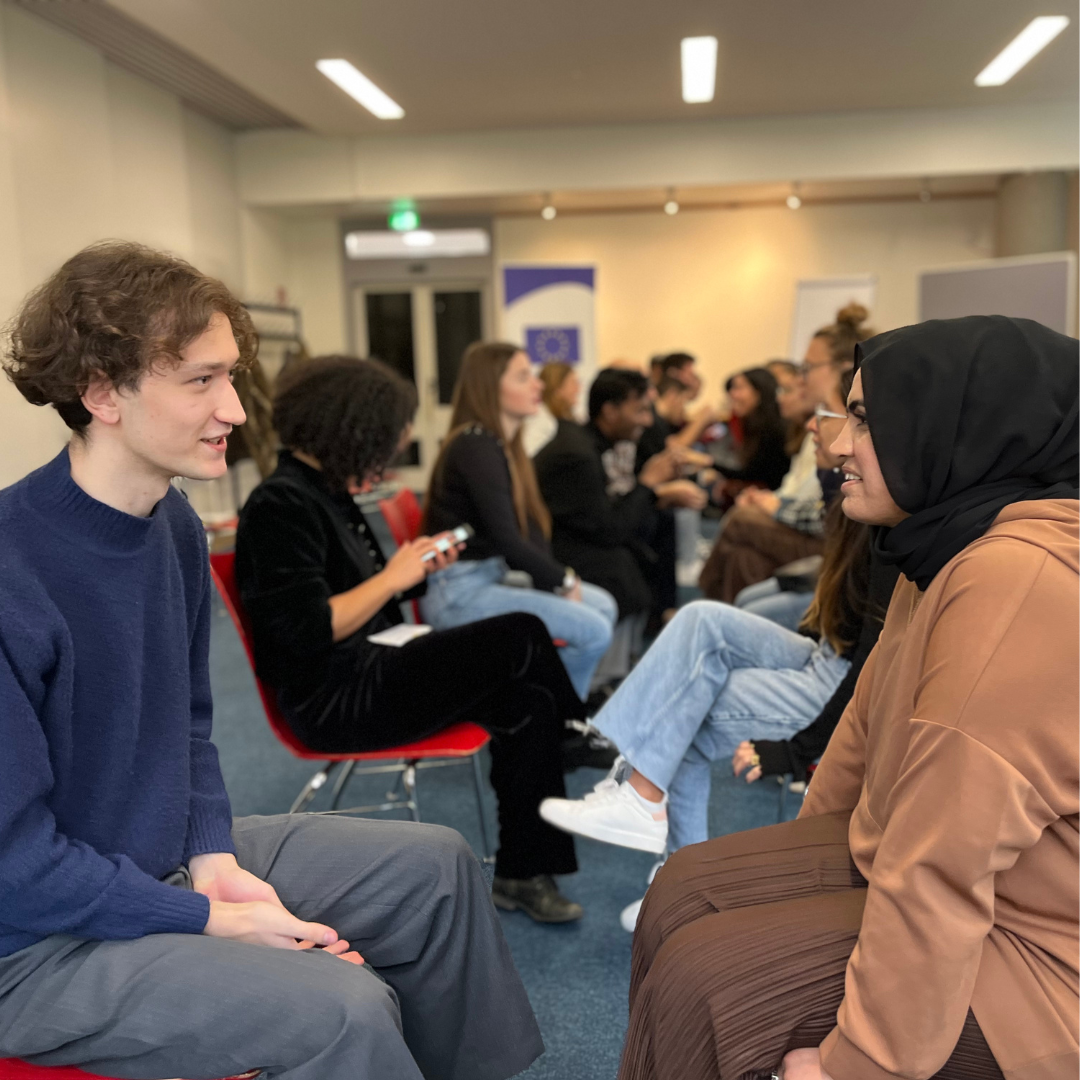
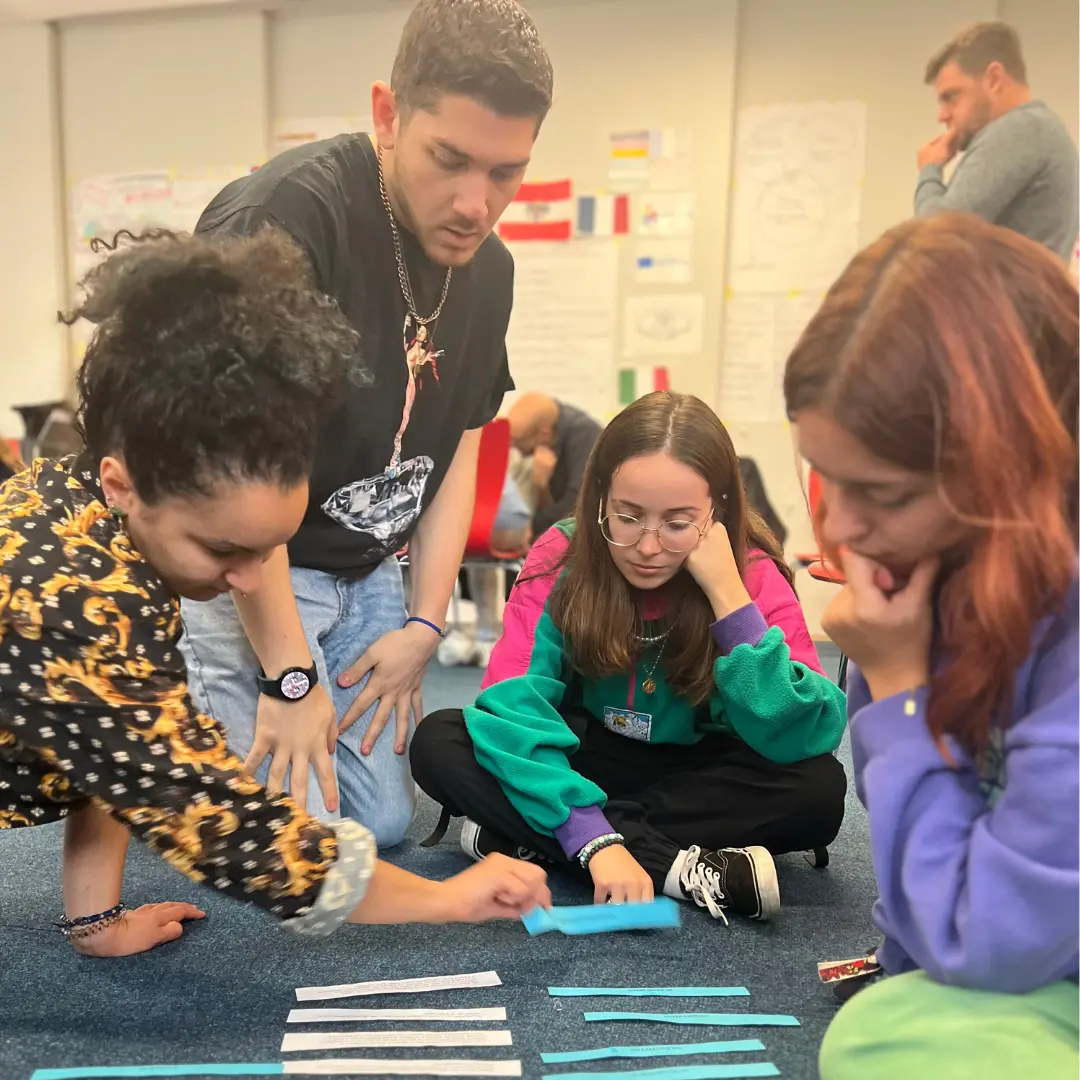
Training course “Navigating Narratives: A media literacy journey for youth workers” is based on non-formal education and learning-by-doing methods. Activity will provide participants with an opportunity to create their own learning expectations and outcomes, but also to discover themselves and their own personal limits. Training is focused on raising competences of the youth workers/teachers/educators in topics of media literacy, how to approach this topic and how to further organise activities on this topic in order to contribute to improving level of youth participation on local level.
The objectives of the TC

  • To strengthen partner youth organisations and their staff for organising activities in field of media literacy and democracy, in order to increase participation of young people in democratic societies of local communities.
  • To raise understanding and knowledge of participants on media literacy and impact media have on young people and their participation in democratic societies.
  • To develop and further improve knowledge of participants about Erasmus+ program and available activities in the fields of democracy and media literacy, as well as about the Youthpass and recognition of learning through models of key competences.
  • To explore the role of media as a social institution and media as a source of information.
  • To learn how to critically examine how media is constructed and how those elements contribute to the way media is understood and acted upon, with focus on young people and participation.
  • To provide opportunity and support for participants to develop new local and international activities and initiatives, focused on the topics of media literacy and democracy, and youth participation in democratic lives of local communities.

Share this post

Facebook
Twitter
LinkedIn
Translate this page
Skip to content