Funded by the Agency for Mobility and EU Programs under the Erasmus+ program’s Key Action 2, the project is set to continue until December 31, 2024. It focuses on empowering youth, especially those facing economic, geographic, social, and cultural barriers, a need that became more pronounced during the COVID-19 pandemic.
Key activities of the project include creating a unified digital transformation strategy for youth work, developing five inclusive informal training programs for youth workers, establishing a Virtual Inclusive Center with diverse digital tools, and conducting a public campaign. The expected outcomes are comprehensive, ranging from the development of high-quality training programs and a digital educational platform, to enhancing digital skills within the participating organizations and engaging marginalized youth in the project and Erasmus+ programs.
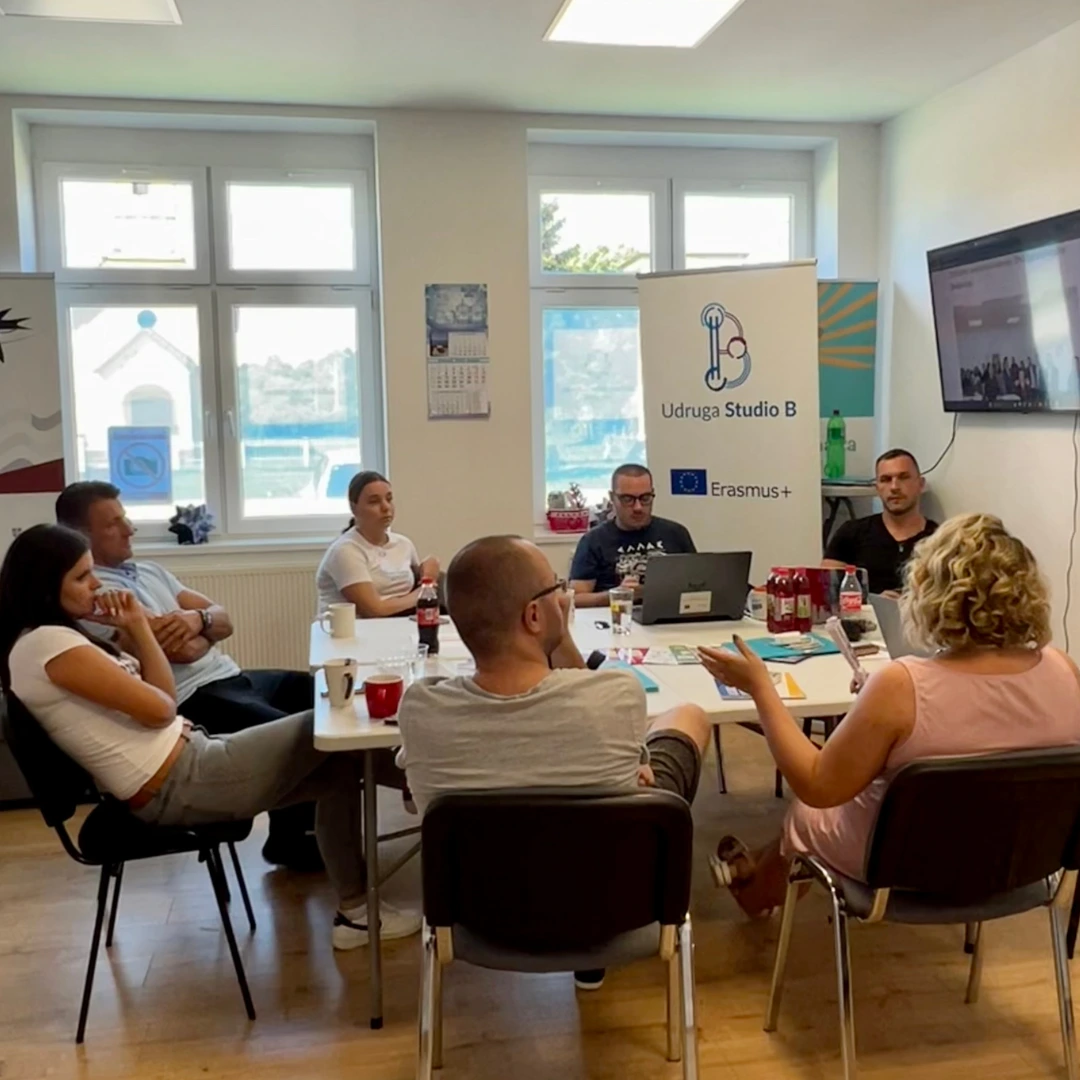
Youth Power Austria recently participated in a pivotal transnational meeting in Croatia, marking a significant milestone for the “Digital Transformation of Inclusive Youth Work” project. This three-day event was not only a testament to the collaborative efforts of all partners involved but also a reflection of our collective dedication to advancing the digital transformation within the sphere of youth work, especially targeting inclusivity.
The agenda of the meeting was meticulously structured to facilitate a comprehensive analysis of the developments achieved through previous activities. It provided us with a precious opportunity to convene with our partner organizations, where we engaged in in-depth discussions regarding the progress made thus far. Our conversations spanned from reflecting on the outcomes of past initiatives to strategizing for the future, ensuring that we maintain our trajectory towards meeting our project objectives.
A significant portion of the meeting was dedicated to evaluating the effectiveness of our activities. This exercise allowed us to critically assess our approaches and methodologies, ensuring that they align with the needs and aspirations of the youth we serve. Following this, we delved into the planning and monitoring of upcoming steps. We outlined a detailed plan for the next phase of the project, focusing on enhancing our strategies to further foster digital literacy and transformation in youth work across Europe.
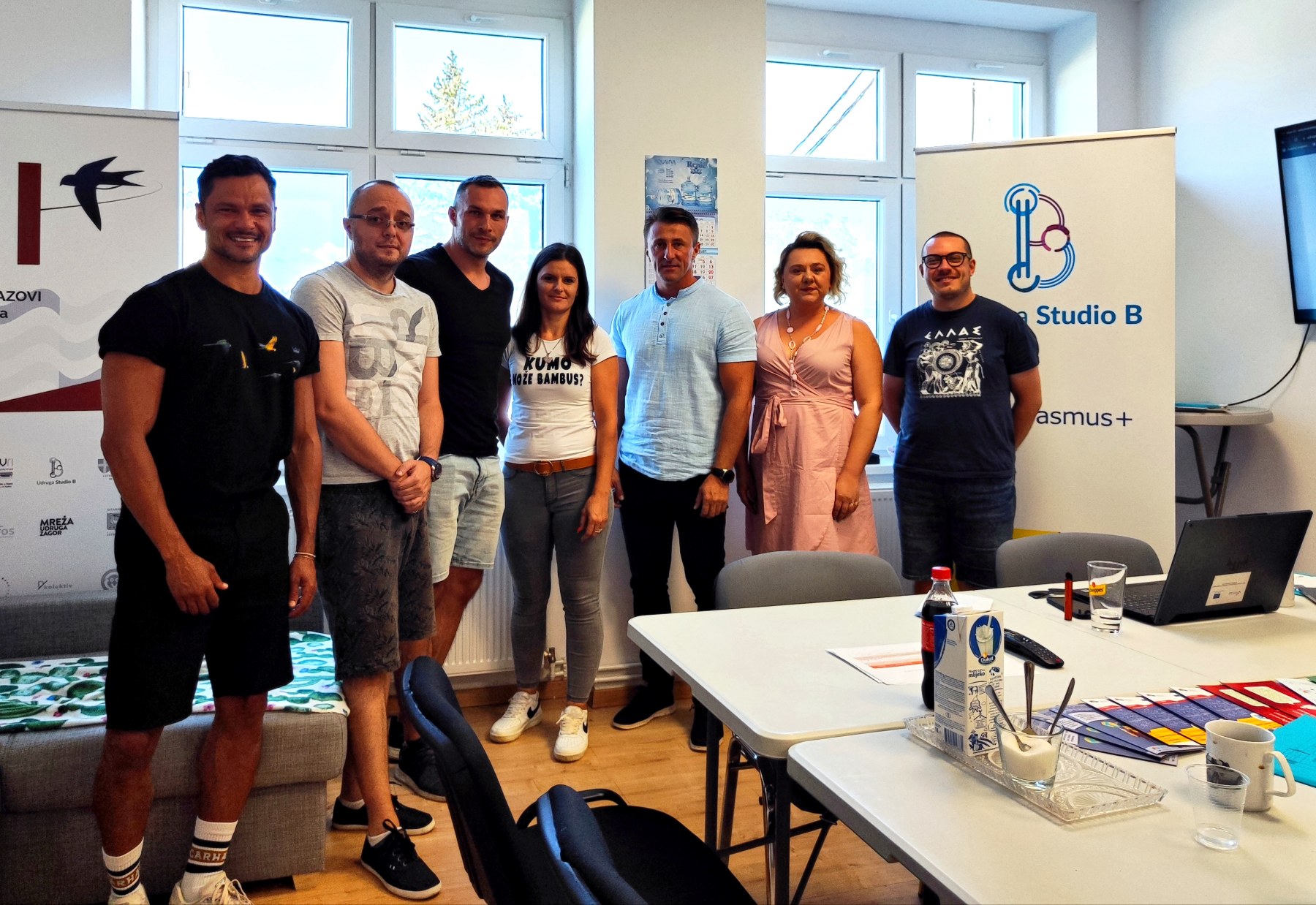
An enriching aspect of our visit was the opportunity to engage with the local community in Croatia. We had the honor of visiting the Bodovaljci community centre and meeting the vibrant team at Studio B. Their insights and experiences added valuable perspectives to our discussions, enriching our understanding of the local context and the potential for digital transformation in community-based youth work.
Furthermore, our meeting with the mayor of Vrbje municipality underscored the importance of local governmental support in amplifying the impact of our initiatives. It was a reminder of the powerful synergy that can be achieved when local authorities, community centers, and international partners collaborate towards a common goal.
This transnational meeting in Croatia was a significant step forward in our journey towards achieving the objectives of the “Digital Transformation of Inclusive Youth Work” project. Co-funded by the European Union, this project stands as a beacon of innovation and inclusivity in youth work. Our time in Croatia has left us invigorated and more committed than ever to leveraging digital technologies to empower young people and the organizations that serve them.