Online Xenophobia and Youth

How Digital Spaces reflect and reinforce exclusion – and What we can do about it

Online Xenophobia and Youth

Digital spaces are often seen as open and empowering especially for young people. They offer opportunities to connect, express opinions and participate in public life. Yet they also mirror and sometimes amplify existing prejudices, including xenophobia.
Online Xenophobia and Youth: How Digital Spaces Reflect and Reinforce Exclusion and What We Can Do About It

According to Statistik Austria (2023), nearly one third of the population reported encountering hostile or degrading content online within a three-month period  and this rises to almost half (around 46%) among 16–24-year-olds. Social media users are significantly more exposed to such content than non-users. This means that young people are not just occasional witnesses of online hostility; they are disproportionately confronted with it.


Official Austrian hate crime reports further indicate that a substantial share of bias-motivated incidents now take place online. Digital platforms have become key spaces where racism, xenophobia and discriminatory narratives are expressed and amplified. Civil society organisations such as ZARA also report a consistently high number of online hate cases each year, many of them driven by prejudice related to ethnicity, religion or migration background.


For young people, especially those from migrant or multicultural communities this has tangible consequences. Online xenophobia can affect their sense of belonging, confidence and willingness to participate in public debate. When digital spaces become hostile, youth agency suffers: young people may withdraw, self-censor or disengage from democratic participation.

From Awareness to Empowerment: The Role of MIGHTY YOU EU

This is precisely where the project Multicultural Inclusion, Growth & Hope for Thriving Youth Online becomes essential.


With Youth Power Austria as a partner, the project responds directly to the Austrian reality:

  • If nearly half of young people are exposed to hostile online content, then digital resilience and critical awareness are not optional, they are necessary competences.

  • If online spaces reflect structural discrimination, then youth work must address both digital literacy and social inclusion together.


The project does not approach xenophobia only as a problem of “bad comments.” Instead, it explores how discrimination operates across digital and offline environments  and how algorithms, viral misinformation and polarising narratives can reinforce existing prejudices.


By increasing awareness among youth and youth workers, the project helps participants:

  • Recognise subtle and overt forms of online xenophobia

  • Understand how digital platforms can amplify exclusionary narratives

  • Reflect on how these dynamics influence youth participation and civic engagement

  • Develop strategies to respond constructively rather than withdraw


In the Austrian context where official data confirms high exposure to online hostility among young people, this approach is particularly relevant. Youth Power Austria contributes local expertise, contextual understanding and direct engagement with young people who experience these dynamics in their everyday digital lives.

What We Can Do About It

Awareness is the first step, but it is not the final goal.


Through training activities, exchanges and collaborative learning across partner countries, the project aims to transform awareness into agency. Young people are encouraged not only to identify xenophobic narratives but to actively counter them  by promoting inclusive storytelling, supporting peers, reporting harmful content, and creating digital spaces grounded in respect and diversity.


In a context where online hostility is statistically widespread in Austria, empowering youth to become critical, confident digital citizens is a form of democratic strengthening. It ensures that digital spaces do not become arenas of exclusion, but platforms for participation and multicultural dialogue.


♥♥♥

Funded by the European Union. Views and opinions expressed are however those of the author(s) only and do not necessarily reflect those of the European Union or the European Education and Culture Executive Agency (EACEA). Neither the European Union nor EACEA can be held responsible for them.

Share this post

Facebook
Twitter
LinkedIn

Empowering Youth Workers through Digital Competence: Training Course in Zadar

Empowering Youth Workers through Digital Competence: Training Course in Zadar

Empowering Youth Workers through Digital Competence: Training Course in Zadar

From 9th – 17th September 2025, representatives of six partner organisations from Germany, Croatia, Austria, Bosnia and Herzegovina, Montenegro, and Albania gathered in Zadar for the international training course “Developing Digital Competences of Young People Based on the DigComp Framework.”


Organised under the Erasmus+ KA153-YOU program, the training brought together youth workers to explore how digital skills can be used as tools for empowerment, inclusion, and active participation of young people especially those with fewer opportunities.


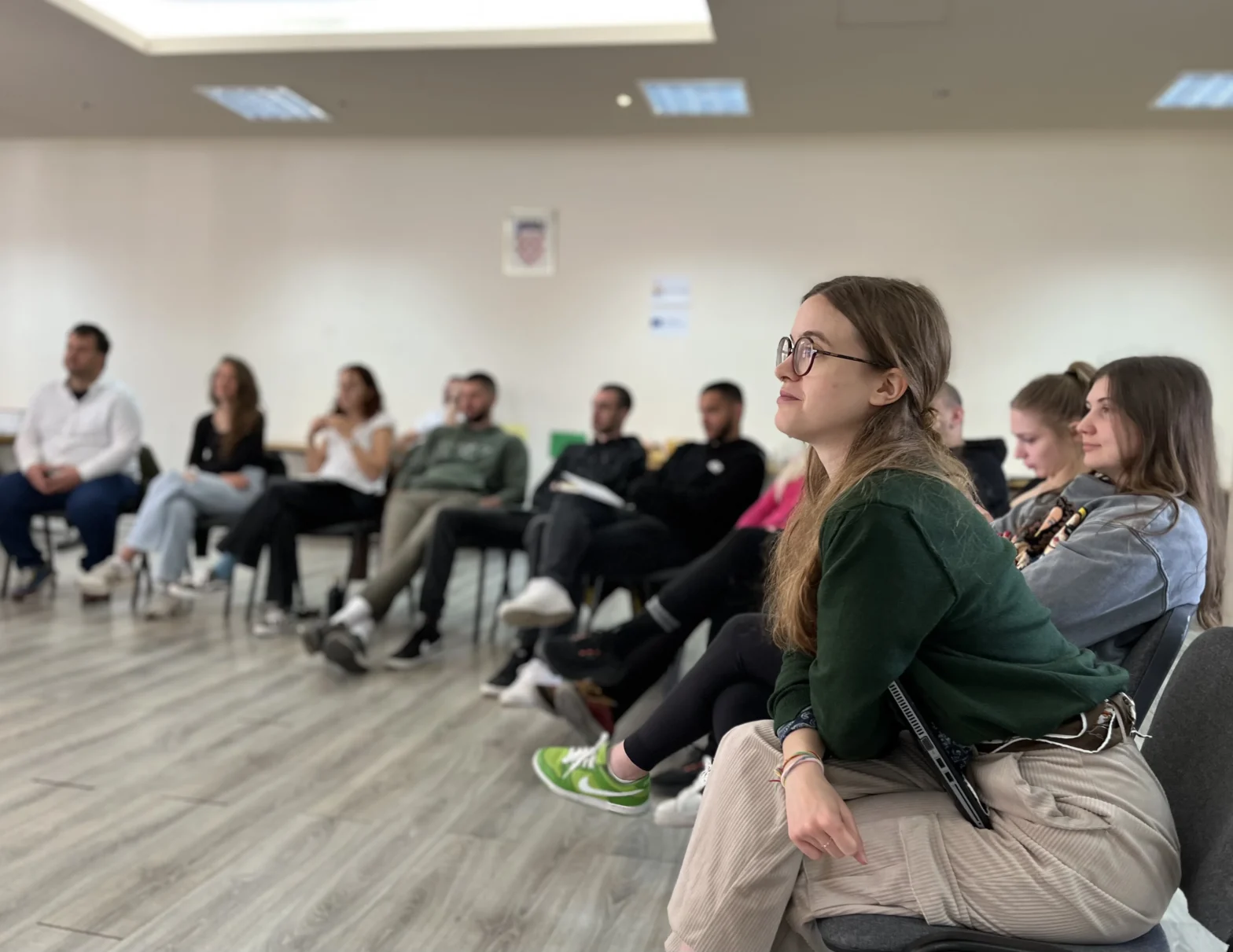
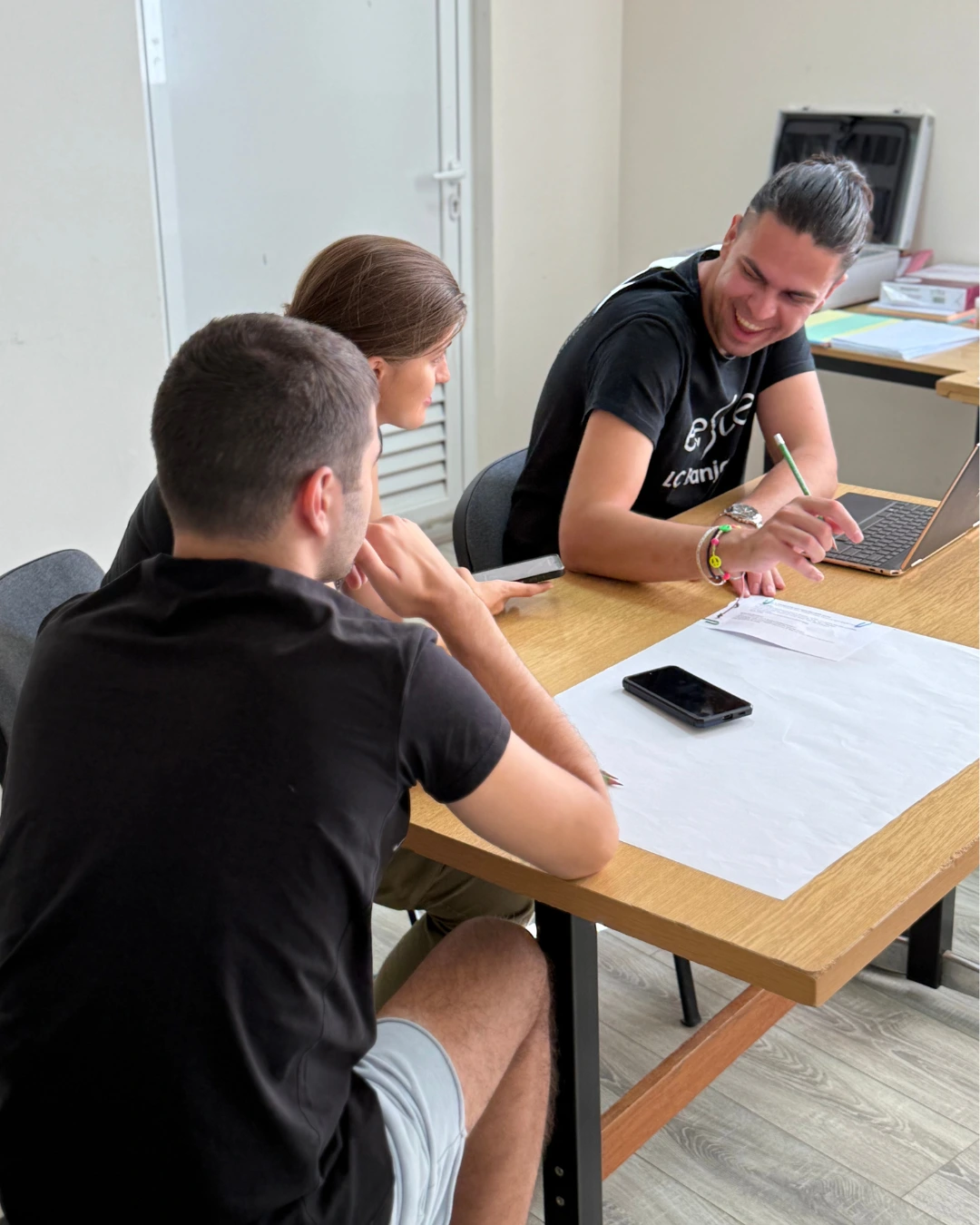
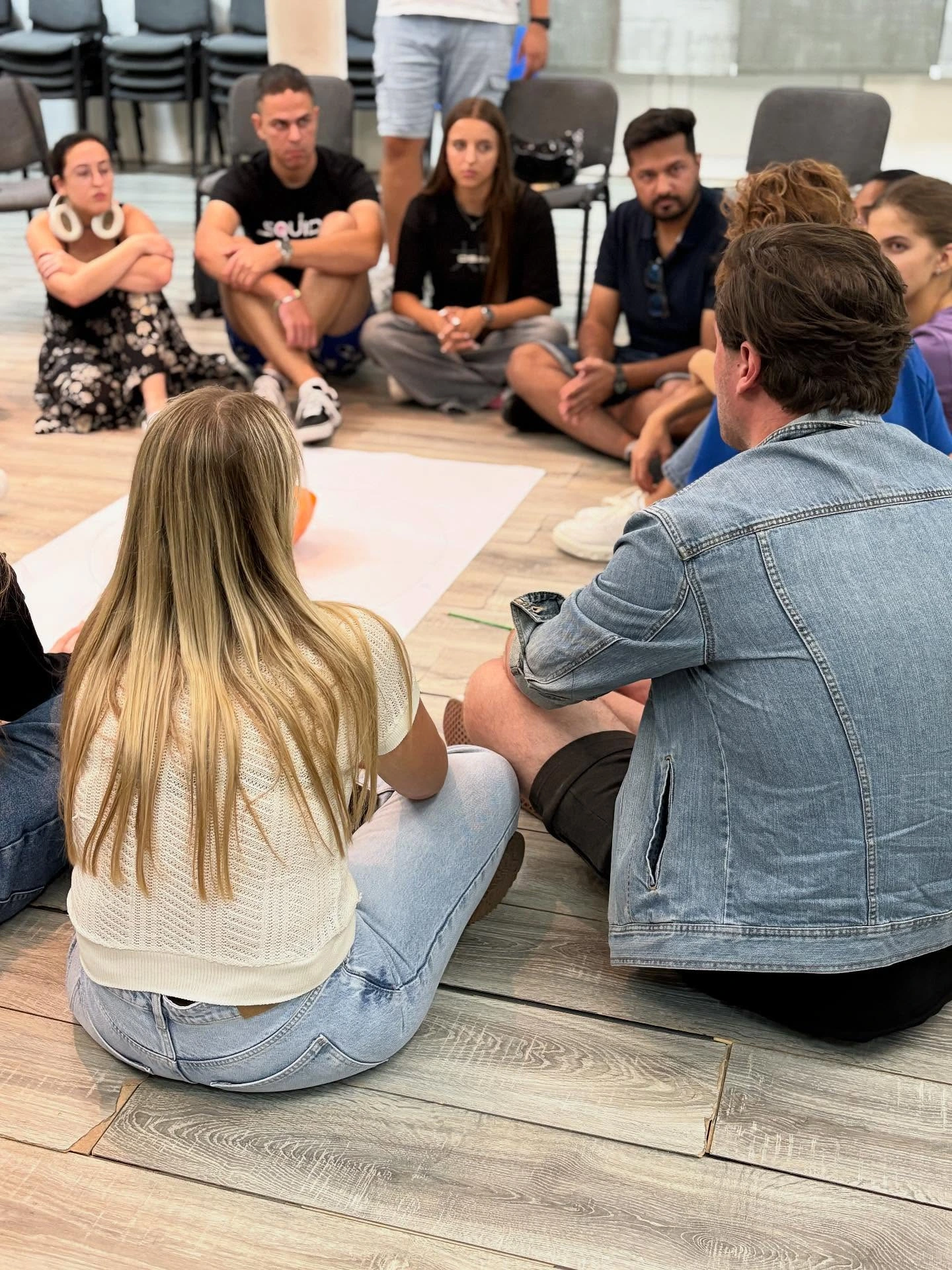
Throughout the nine intensive days, participants worked through interactive workshops and simulations, learning to apply the European DigComp framework in real youth work practice. Sessions covered the five areas of digital competence, information literacy, communication and collaboration, digital content creation, safety, and problem-solving, using hands-on, non-formal education methods such as group work, role plays, and reflection circles.


Evenings were dedicated to intercultural activities, NGO fairs, and informal networking moments that highlighted the diversity and shared values of the participants.


The training course marked an important step in building a transnational community of digitally competent youth workers ready to transfer these skills into their local realities. As a next step, participants will conduct follow-up workshops in their home countries, sharing the newly gained knowledge with other youth leaders and young people, multiplying the project’s impact across Europe and the Western Balkans.


The DigComp YW project is coordinated by Stepping Stone Miles e.V. (Germany) with partners from Croatia, Austria, Bosnia and Herzegovina, Montenegro, and Albania, and co-funded by the European Union through Erasmus+.


Funded by the European Union. Views and opinions expressed are however those of the author(s) only and do not necessarily reflect those of the European Union or the European Education and Culture Executive Agency (EACEA). Neither the European Union nor EACEA can be held responsible for them.

Share this post

Facebook
Twitter
LinkedIn

Youth Exchange: Green Hope: Bridging the Social Gap in Climate Change

Youth Exchange: Green Hope: Bridging the Social Gap in Climate Change

This open call is for residents in Austria only!


Youth Exchange: Green Hope: Bridging the Social Gap in Climate Change

Green Hope is an Erasmus+ youth exchange project focused on raising awareness about the social dimensions of the climate crisis. Through non-formal education, it explores how climate change disproportionately affects people based on gender, ethnicity, geography, and socioeconomic status.


The project empowers young people to become active, informed citizens by fostering dialogue on key topics such as environmental justice, sustainable food systems, corporate responsibility, and digital impacts. Using an intersectional and inclusive approach, it encourages critical thinking, cultural exchange, and European cooperation.


By connecting environmental and social issues, Green Hope inspires hope and collective action toward a more just and sustainable future.

Objectives:

  • Raise awareness about climate injustice and marginalization

  • Understand the connection between climate change and social inequalities

  • Empower young people through non-formal education

  • Foster European cooperation and shared values

  • Promote sustainable and fair lifestyle choices

Participants profile ( Residents in Austria)

  • 19 participants (23–30 years old) plus 4 group leaders, 7 people per country (Italy, France, and Austria), interested in the topic.

  • A basic level of English is required, along with the willingness to step out of the comfort zone, learn, and be ready to open up and share.

  • Participants must be motivated and committed to sharing their new knowledge with their local communities.

  • Participants must be willing to engage in all activities during the exchange, and also propose and facilitate a workshopin their national groups.

Culture of Mindfulness

  • Do not consume alcohol or drugs during the training (this is part of our policy for international and local programs).

  • Limit your contact with technology and use it only for urgent work or important conversations.

  • Be open-minded: experiment with new dishes and follow one week of vegetarian diet, cultivating curiosity and observing the changes in yourself.

  • Dedicate yourself fully to the process: give your 100% and engage in meaningful conversations and activities that benefit both you and others.

  • Respect the spaces where the program takes place, and use resources with responsibility, humility, and gratitude.

Community Management

We will live together for one week as a conscious community, taking care of the place and daily tasks.

  • Participants will share 3–4 bed apartments and glamping tents, built in Apulian stone and located in a field surrounded by olive groves, with native plants and trees (prickly pears, yucca, rocket, orange trees, blackberry bushes).

  • We are honored to have with us a mindful cook with experience in Erasmus+ projects, who will guide us in the kitchen as a space for exploration of vegetarian food and self-awareness.

  • As part of the mindful community experience, participants will be asked to take on simple daily tasks to support the youth exchange management, such as washing dishes, helping in the kitchen, and maintaining shared spaces.

Intercultural Exchange

An international youth exchange opens the door to life-changing intercultural experiences. Participants will have the opportunity to share their own cultures (in whichever way they define and identify with it) with the rest of the group.


How you choose to represent your culture is entirely up to you: a poem, a traditional dance, a song, or some snacks—the possibilities are endless. Take time to imagine what represents you and your country, and come prepared to share it with others.

  • Coffee Breaks will include a cultural snack exchange, so be sure to bring some of your favorite traditional snacks.

  • In the evenings, there will be dedicated time for personal culture exchanges.

Covered Expenses

All main expenses are fully covered by the project through the Erasmus+ Programme of the European Union.


Food
Participants will receive three freshly prepared vegetarian meals per day, including one special mindful dinner experience, plus snacks and coffee breaks.


Accommodation
Accommodation is provided for 8 nights at Villa Diana, in shared rooms or tents with 3–5 people and shared bathrooms, surrounded by nature near Merine, South Italy. Some beds are double and may be shared according to participants’ agreement.


Travel
Travel costs are reimbursed up to a set amount. Participants are strongly encouraged to choose green travel options(train, bus, carpooling). Additional support is available to cover food and accommodation for travel days, upon justification. Travel insurance may also be reimbursed within the travel budget.


Activities
All learning activities, workshops, facilitation, materials, and outdoor sessions are fully covered by the project.

Travel Mindfully and Green

Be mindful of the ecological impact of your journey.


We encourage you to choose green travel options such as train, bus, boat, or carpooling. No flying.


An extra budget is available to support slow, conscious travel—including food and accommodation during your travel days—so you can explore Europe at your own pace while reducing your footprint.


Travelling green may take more time, but it reflects the core values of this project: care, sustainability, and presence.

Let your journey become part of the learning experience.


Useful Tools:

Travel Reimbursement

Your travel expenses will be reimbursed only if you follow the rules below:


  • Keep all original travel documents: tickets, boarding passes, invoices, or receipts (digital or printed). If you travel green, you must also provide proof of extra food and accommodation expenses (up to 100 euros).

  • Reimbursement is made to the participant’s bank account, after the mobility, and only once your dissemination activity is completed.

  • Travel must take place within the allowed dates, including up to 2 additional days before or after the youth exchange:

    • Arrival: 19th of November

    • Departure: 27th of November

→ Travel must start and end in your country of residence. No exceptions unless agreed in advance with the hosting team.

Travel Reimbursement ( part 2)

Your reimbursement depends on how you travel:

  • Green travel (train, bus, carpooling, boat): up to 417 €

  • Non-green travel (flight): up to 309 €

  • Participants from Italy (green travel only): up to 285 €


Please select reasonable and economical means of transport (e.g. student fares, low-cost airlines, second-class train tickets). Taxi costs are reimbursed only in exceptional and justified cases.


Extra Travel Support
If you choose green travel, you may also receive up to 100 € to cover food and accommodation during your travel days (maximum 2 days before and/or after the project). Valid receipts are required for this extra reimbursement.


Travel Insurance
Travel insurance is recommended and can be reimbursed if it fits within your total travel budget.


Getting to Lecce

GREEN TRAVEL OPTION


We strongly encourage you to travel in the most sustainable and mindful way possible.


Choose green travel options such as train, bus, or carpooling to reduce your environmental impact and stay within the green travel reimbursement budget.


Lecce is well connected by public transport and reachable from many European cities by train and long-distance bus.


If you plan to travel overland, we suggest using:


Reminder: Please be in Lecce before 19:30.
(A scheduled transfer from/to Lecce station will be provided. Villa Diana is only reachable by car, on foot (7 km), or by taxi in exceptional cases.)


Non Green Travel Option guidelines


If overland travel is truly not possible, you may consider flying to the nearest airports:

  • Brindisi Airport (BDS) – 35 km from Lecce

  • Bari Airport (BRI) – 150 km from Lecce

  • Naples Airport (NAP) – 420 km from Lecce, well connected by train

  • Rome Airports (FCO/CIA) – approx. 600 km from Lecce, with direct train or bus options


From these airports, it is easy to reach Lecce by train or bus.


Before booking, reach out to us if you need support planning your route or verifying your travel option.


➡️ If you travel more than 51% of your journey green, it can still be considered green travel.


Reminder: Please be in Lecce before 19:30.
(A scheduled transfer from/to Lecce station will be provided. Villa Diana is only reachable by car, on foot (7 km), or by taxi in exceptional cases.)


Arriving in Villa Diana

Please be in Lecce before 19:30.


There will be a scheduled transfer to and from Lecce’s train or bus station for transportation to Villa Diana.

Other than by car, there is no direct way to reach Villa Diana, apart from:


  • Walking the 7 km from Lecce

  • Taking a taxi (only in exceptional cases when no other option is available)

HOW TO APPLY!

We strongly recommend to read all information before applying for the Youth Exchange!

Funded by the European Union. Views and opinions expressed are however those of the author(s) only and do not necessarily reflect those of the European Union or the European Education and Culture Executive Agency (EACEA). Neither the European Union nor EACEA can be held responsible for them.

Share this post

Facebook
Twitter
LinkedIn

Training course: Empowering Diversity: Understanding social inclusion and organising non-formal educational activities for inclusion

Training course: Empowering Diversity: Understanding social inclusion and organising non-formal educational activities for inclusion

A successful completion of the Training Course in Zadar!

We at Youth Power Austria, alongside our sister organization Youth Power Germany, are thrilled to announce the successful completion of our transformative training course. This training was specifically designed to address the lack of crucial support for young people with fewer opportunities and disabilities, who often face discrimination and exclusion in many aspects of their lives, such as education, healthcare, transport, housing, and employment.


Youth workers often lack a deep understanding of the backgrounds of these young people, especially those new to the sector. Our training course aimed to fill this gap by providing new youth workers with the knowledge and understanding needed to overcome these challenges and ensure inclusion. This course aligns with Youth Goal 3: Inclusive Societies and focused on strengthening outreach to marginalized young people, ensuring equal access to learning environments, and enhancing the capacities of educators.


The course was structured around non-formal education and learning-by-doing methods. Initial days were dedicated to team building, learning about the Erasmus+ program and Youthpass, and understanding the realities of youth work and inclusion in participating countries. We focused on understanding different disabilities and the obstacles faced by young people with fewer opportunities. The middle of the program emphasized the perceptions of these young people, the importance of feeling valued, and recognizing their diverse skills. In the final days, participants developed and piloted their workshops, receiving feedback to refine their approach.


By the end of the training, participants significantly enhanced their knowledge and skills to provide inclusive opportunities for young people with fewer opportunities and disabilities. They learned the basics of a qualitative approach to workshop development and created their initial workshops and educational activities for young people in their communities.


We are proud of the impact this training has had and look forward to seeing the positive changes it will bring to youth work.


Thank you to everyone who participated and contributed to this incredible journey!

Share this post

Facebook
Twitter
LinkedIn

Youth Exchange: Through a gender lens: Young woman in sport

Youth Exchange: Through a gender lens: Young woman in sport

A successful completion of our YE in Vienna!

We are thrilled to announce the successful completion of our activity in Vienna, addressing the challenge of low participation of young women in sports activities in Austria. Despite national strategies focusing on youth health and well-being, statistics have shown a significant gender disparity in sports participation. Our project aims to bridge this gap by increasing female participation in sports teams to 50%, in line with Austria’s youth and sports strategy.


Collaborating with six youth organizations across Europe, we have identified and tackled social and youth-based barriers to women’s sports participation. Our efforts focused on making sports more accessible, enjoyable, and inclusive for women, emphasizing coaching, mentorship, and creating supportive environments.


Through these collaborative efforts, we have promoted mutual solutions to boost female participation in sports, contributing to gender equality and fostering EU values and cooperation among young people. Let’s continue to work together for a more inclusive and equitable future in sports!

Share this post

Facebook
Twitter
LinkedIn

Online Campaigns on Human Rights and Online Discrimination

After developing a series of campaigns within the Youth Exchange “e-Equality: Overcoming Online Discrimination,” we are excited to unveil them. These campaigns aim to establish a dynamic conversation  where young people can share insights, experiences, and innovative ideas. The goal is to foster a more inclusive and respectful online environment. Our collective effort seeks to inspire action and deepen understanding of important issues, empowering everyone to be champions of change in their communities. A key focus was placed on human rights, which intersected with various realities and concerns.

Youth Exchange e-Equality: Overcome Online Discrimination

The Youth Exchange was focused on empowering youth to recognize and confront discrimination and hate speech, particularly emphasizing the role of online campaigning.


Our goal was to engage in discussions and share insights with young individuals about the various forms of discrimination and how they manifest in everyday life. A significant focus was on understanding hate speech, its impact on individuals and communities, and effective strategies to combat it. By creating a safe and supportive environment, we encouraged participants to openly discuss experiences of discrimination and hate speech, fostering a community of understanding and empathy.


Our approach included providing practical tools and techniques for reporting and addressing discrimination and hate speech. We aimed to cultivate an attitude of tolerance and non-violence among our participants, encouraging them to stand for equal opportunities, human rights, and LGBTQIA+ rights. This was not only limited to our organization but also extended to our local communities and digital platforms.

Insight #1 : Human Rights and Modern Slavery

insight #2: Social responsibility towards discrimination

insight #4: Spread of misinformation online

Insight #5: Hate Speech Online

Funded by the European Union. Views and opinions expressed are however those of the author(s) only and do not necessarily reflect those of the European Union or the European Education and Culture Executive Agency (EACEA). Neither the European Union nor EACEA can be held responsible for them.

Share this post

Facebook
Twitter
LinkedIn

Digital Transformation of Inclusive Youth Work Bootcamp

Digital Transformation of Inclusive Youth Work Bootcamp

International Bootcamp in Croatia

Our team was in Croatia  from 28th february to 5th march 2024, where we launched our “Stress management Program Guideline” as part of the activity of the project ” Digital transformation of inclusive youth work” at the international bootcamp! this manual empowers youth workers with tools and strategies to help young people navigate and overcome stress, ensuring they thrive in any setting.

The project shall strengthen NGO’s for digital transformation of inclusive youth work by developing innovative digitalsolutions that are applicable at local, regional, national, European and international levels. By adopting innovative digital methods of learning, we want to increase the quality of youth work and encourage the inclusion of young people with fewer opportunities. With dissemination we want to reach a large number of actors and strengthen transnational and cross-sectoral action.

Share this post

Facebook
Twitter
LinkedIn

Youth Exchange: e-Equality – overcoming online discrimination

Youth Exchange: e-Equality – overcoming online discrimination

We are Partner Organisation in Barcelona

The YE is focused on empowering youth to recognize and confront discrimination and hate speech, particularly emphasizing the role of online campaigning.

Our goal is to engage in discussion and share insights with young individuals about the various forms of discrimination and how they manifest in everyday life. A significant focus will be on understanding hate speech, its impact on individuals and communities, and effective strategies to combat it. By creating a safe and supportive environment, we encourage participants to openly discuss experiences of discrimination and hate speech, fostering a community of understanding and empathy.

Our approach includes providing practical tools and techniques for reporting and addressing discrimination and hate speech. We intend to cultivate an attitude of tolerance and non-violence among our participants, encouraging them to stand for equal opportunities, human rights, and LGBTQIA+ rights. This will not only be limited to our organization but also extended to our local communities and digital platforms.


 Aligned with European Youth Goals on gender equality and inclusive societies, we are committed to:


  • Educating about discrimination and hate speech, with a special focus on digital spaces.
  • Discussing the impact of online hate speech and exploring effective counter strategies.
  • Creating a safe environment for sharing experiences of digital discrimination and hate speech.
  • Providing tools and techniques for effectively reporting and responding to online hate.
  • Promoting a culture of tolerance, non-violence, and equality in both online and offline contexts.
  • Emphasizing the power of online campaigning to advocate for human rights, LGBTQIA+ rights, and equal opportunities.


This initiative seeks to develop informed, empathetic, and active young individuals who use digital platforms as a force for positive change, advocating for equality and respect in all areas of life.


Share this post

Facebook
Twitter
LinkedIn

Training Course: 11 Youth Goals (EU) in Practice

Training Course: 11 Youth Goals (EU) in Practice

We are Partner Organisation in Spain

The program “TC ’11 Youth Goals in Practice'” is dedicated to empowering youth workers, leaders, and volunteers. It offers hands-on training to develop activities and strategies aligned with the European Youth Strategy. Participants acquire skills to mentor youth in their communities, fostering the development of their own activities/projects based on the 11 Youth Goals.


The ultimate aim is to cultivate proactive and empowered young leaders. As participants enhance their skills, they become agents of change within their local communities. Equipped with practical knowledge, they guide and inspire youth, triggering a chain reaction of empowered leaders who create their own activities/projects centered on the 11 Youth Goals.

The  Objectives: 


  • To develop participants’ understanding and knowledge about youth strategies as part of youth work, strategies development process, and different models of activities;
  • To raise awareness of 11 Youth Goals as a Part of European Youth Strategy;
  • To provide new methods how to engage, activate and connect young people;
  • To provide new methods on non-formal education combined with structured dialogues

Share this post

Facebook
Twitter
LinkedIn

Training Course: Citizens of Tomorrow – Training for Youth Workers on Democracy and Human Rights

Training Course: Citizens of Tomorrow – Training for Youth Workers on Democracy and Human Rights

We are Partner Organisation in Berlin

In a rapidly changing world, the need for informed, engaged, and responsible citizens is more crucial than ever. Youth workers play an important role in shaping the attitudes and actions of the next generation. Democracy, human rights, and active participation in civic life are fundamental pillars of a just and equitable society. However, many young people lack access to the knowledge and tools they need to become active citizens who can contribute positively to their communities.


The need for active and informed young citizens is more critical than ever. Democracy and human rights are the fundamentals of fair and equitable societies. They enclose the principles of justice, equality, and individual freedoms that form the foundation of an inclusive world. This training course is designed to equip youth workers with the essential knowledge and skills about human rights and youth participation, required to empower young people in their local communities; by making them active citizens who understand the importance of human rights, democracy, and civic participation.


This training course was based on non-formal education and learning-by-doing methods. Participants developed their understanding and knowledge about human rights and the existing realities in their local communities. They also received more information about the Erasmus+ program and various opportunities for youth workers offered through this program.


Furthermore, they developed a deeper understanding of decision-making processes, ways in which young people can contribute to policy-making processes, and co-management as a concept for connecting relevant stakeholders. The last days of the training course provided an opportunity for participants to work on the development of follow-up multiplication workshops in local communities and had open space for networking and the creation of initiatives and projects for the future.


The Objectives were:


  • To develop knowledge and skills of participants in fields of: human rights, citizenship and education, democracy, voting, and youth participation.
  • To create an understanding of participants about the definition, importance and principles of decision-making, co-management and policy-making.
  • To develop and further improve the knowledge of participants about the Erasmus+ program, Youthpass, and recognition of learning through models of key competences.
  • To empower youth organisations and their youth workers to develop, implement and evaluate local level activities on human rights education and youth participation.
  • To develop plans and outlines for partner organisations’ local level activities for raising youth participation and engagement of youth in human rights-based activities.

Share this post

Facebook
Twitter
LinkedIn